To answer what is faith, I start with the simplest biblical answer: it is not mere optimism, and it is not just agreeing that God exists. Faith is personal trust in God’s character, God’s promises, and God’s saving work in Christ. That matters because the way a person understands faith shapes how they think about salvation, assurance, prayer, obedience, and the whole Christian life.
Core truths that keep faith from becoming vague
- Faith in Christian teaching is more than intellectual agreement; it includes trust, reliance, and surrender.
- Salvation is presented as God’s gift received through faith, not a reward earned by good behavior.
- Belief, trust, and works overlap, but they do not mean the same thing.
- Real faith grows through Scripture, prayer, worship, and patient obedience in ordinary life.
- Doubt, struggle, and unanswered questions do not automatically cancel faith, but they do expose what a person is truly relying on.
Faith is trust, not just agreement
In everyday conversation, people often use the word faith to mean a strong opinion. In Christian life, that definition is too thin. I would define faith as confident trust in God that shows up in the way a person leans on Him, not just in the way they talk about Him. A person can agree that God is real and still refuse to rest in Him. That is why the Bible treats faith as something deeper than mental acceptance.
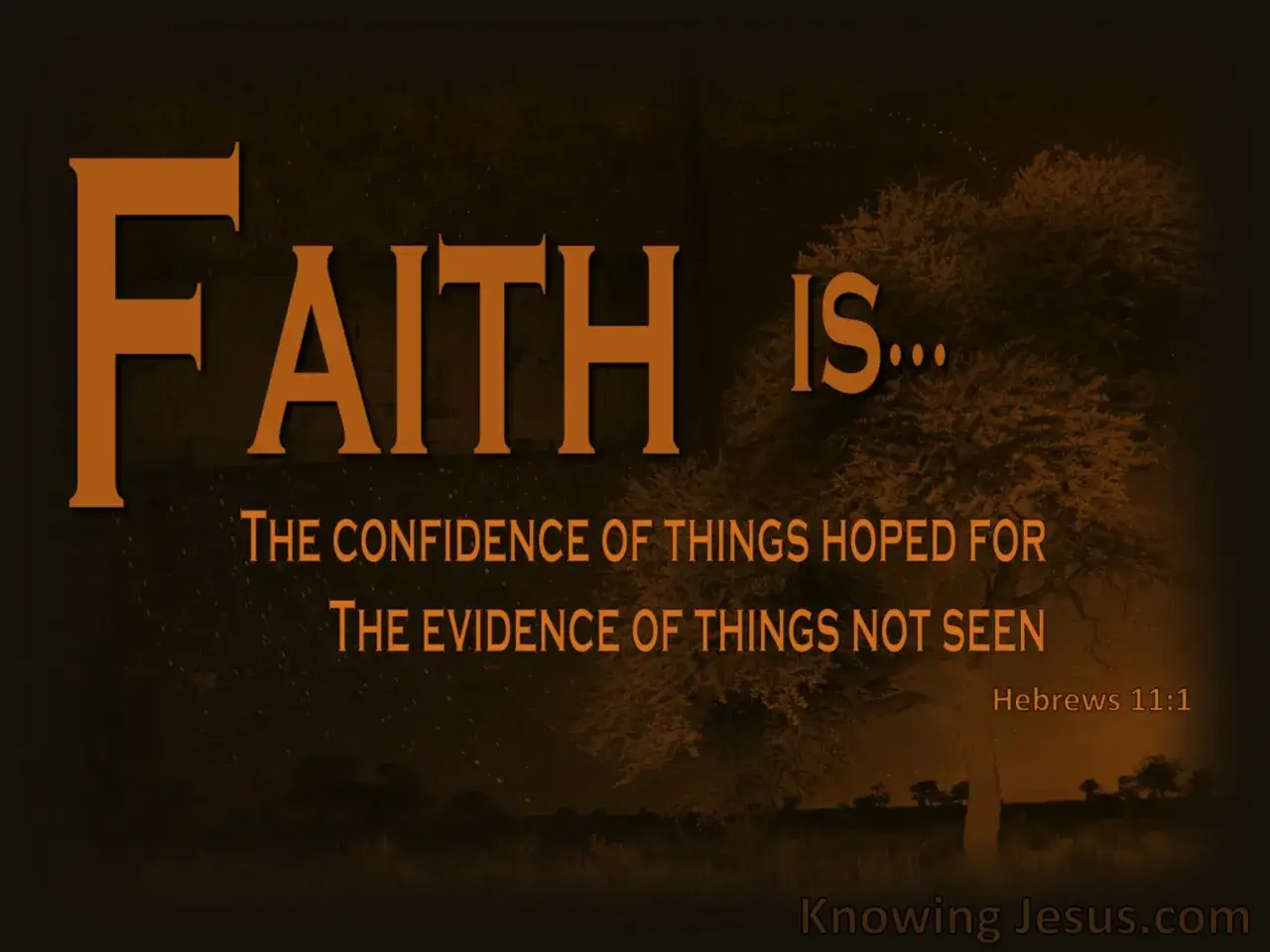
Hebrews 11:1 points in that direction by describing faith as assured confidence in what is hoped for and conviction about what is not yet seen. In plain language, faith believes God is telling the truth and acts like His word is reliable. It does not require perfect visibility before it moves forward. It requires enough trust to obey before every detail is clear. That is a very different thing from vague spirituality, and it leads directly to the question of salvation.
Why faith and salvation belong together
Christian teaching connects salvation with faith because salvation is received, not manufactured. Ephesians 2:8-9 is central here: grace is the source, and faith is the means by which a person receives what God gives in Christ. I find that this distinction protects the gospel from two common errors. The first is pride, as if salvation can be earned. The second is despair, as if a person must produce enough spiritual performance to qualify.
Faith matters because it is the open hand, not the wage. In salvation, the focus is not on the strength of the hand but on the sufficiency of the Savior. Jesus’ death and resurrection are the ground of redemption; faith is the living response that receives that rescue. In theological language, this is close to justification, which means God’s declaration that a believer is counted righteous in Christ. That is why salvation through faith is such a decisive idea, and it explains why Christians keep returning to it when they talk about assurance, repentance, and new life.
Once that is clear, the next step is to separate faith from the words and habits people often confuse with it.
Belief, trust, and works are different things
Many people blur these categories and end up with a confused picture of the Christian life. I like to separate them because each one does a different job. Belief says something is true. Trust says I am relying on it. Works show what I believe about it in practice.
| Concept | What it means | What it is not | Why it matters |
|---|---|---|---|
| Belief | Agreeing that God is real and that the gospel is true | Not automatically the same as surrender | Belief gives faith a true object, but it can stay intellectual if nothing else changes |
| Trust | Depending on Christ for forgiveness, guidance, and life | Not the same as positive thinking | This is the heart of saving faith |
| Works | Actions that flow from obedience and gratitude | Not a payment for salvation | Works reveal whether faith is alive, but they do not replace grace |
This is where James 2 often enters the conversation. When James says faith without works is dead, he is not undoing grace; he is exposing empty profession. Living faith produces fruit. Dead faith talks about God but never truly relies on Him. That distinction keeps Christians from turning salvation into a moral checklist while still taking obedience seriously.
How faith grows when life is ordinary and hard
Faith usually grows in ordinary rhythms before it grows in dramatic moments. I have seen the strongest believers become the most steady, not because life was easy, but because they kept returning to Scripture, prayer, worship, and Christian community when life was not easy. Those practices do not earn faith; they nourish it.
- Listen to Scripture regularly. Faith needs content. If a person never hears God’s promises, trust has nothing concrete to hold onto.
- Pray honestly. Faith is not polished language. It is bringing fear, gratitude, confusion, and need before God without pretending.
- Stay connected to Christian community. Community helps when private confidence weakens. Other believers often carry encouragement a person cannot generate alone.
- Obey the next clear step. Faith is often built one obedient decision at a time, not by waiting for perfect certainty.
Hard seasons reveal whether faith is mere enthusiasm or actual trust. Suffering often strips away the illusion that we control outcomes, which is uncomfortable but clarifying. In those moments, faith becomes less about feeling strong and more about staying anchored. That does not mean emotions are irrelevant; it means emotions are not the final measure of reality.
Because faith is tested this way, it is easy to misunderstand it. The most common mistakes are worth naming directly.
Common mistakes that distort faith
One mistake is treating faith like positive thinking. Christian faith is not the power of the mind manufacturing outcomes. It is confidence in God’s promises. Another mistake is treating faith like a performance review, where God supposedly rewards the people who look most impressive. That is not the gospel. A third mistake is assuming doubt automatically equals unbelief. In Scripture, honest struggle often sits alongside real trust. The question is not whether a believer ever wrestles; it is what they do with that wrestling.I also see people confuse emotional intensity with spiritual maturity. A person can feel very little and still be deeply faithful. Another person can feel deeply moved and still remain unchanged. Faith is steadier than mood. It may include strong emotion, but it cannot depend on emotion to survive. That matters because many people quietly give up on faith when the experience of it becomes less vivid than they expected.
The better question is not, “Do I always feel certain?” The better question is, “What am I relying on when I do not feel certain?” That question leads to a healthier and more honest way of thinking about salvation and daily discipleship.
A grounded way to hold faith and salvation together
If I had to reduce the whole subject to one practical sentence, I would say this: saving faith is a real, personal reliance on Jesus Christ that receives God’s grace and then keeps learning how to live by it. That definition is simple, but it is not shallow. It keeps faith from becoming abstract and keeps salvation from becoming self-help with religious language attached.
The most useful test is usually plain and direct. What am I trusting for forgiveness? What am I counting on for acceptance with God? What do my habits say I believe about grace? Those questions are not meant to produce anxiety; they are meant to produce clarity. A person who sees that they have been relying on their own record can turn back to Christ. A person who already trusts Christ can stop chasing spiritual perfection and start living from the security of grace.
That, in the end, is why faith still matters so much: it is the doorway into salvation, but it is also the posture that keeps a Christian walking with God after the door has opened.