
In Christian ethics, what does it mean to take the Lord’s name in vain is really a question about reverence, honesty, and whether our speech matches our faith. The command in Exodus is not only about profanity; it also warns against using God’s name lightly, falsely, or as a religious stamp of approval for something He has not endorsed. That matters because the name of God is tied to His character, and Christians are called to represent that character in public and private life.
The command is about reverence, truth, and representation
- “Vain” means empty, false, or without due purpose.
- The command covers irreverent speech, false oaths, and using God’s name to support lies or selfish goals.
- For Christians, it also reaches hypocrisy: claiming Christ while living in a way that distorts Him.
- The practical test is simple: does the way I use God’s name honor His truth and character?
- This is bigger than avoiding one swear word; it is about integrity before God and other people.
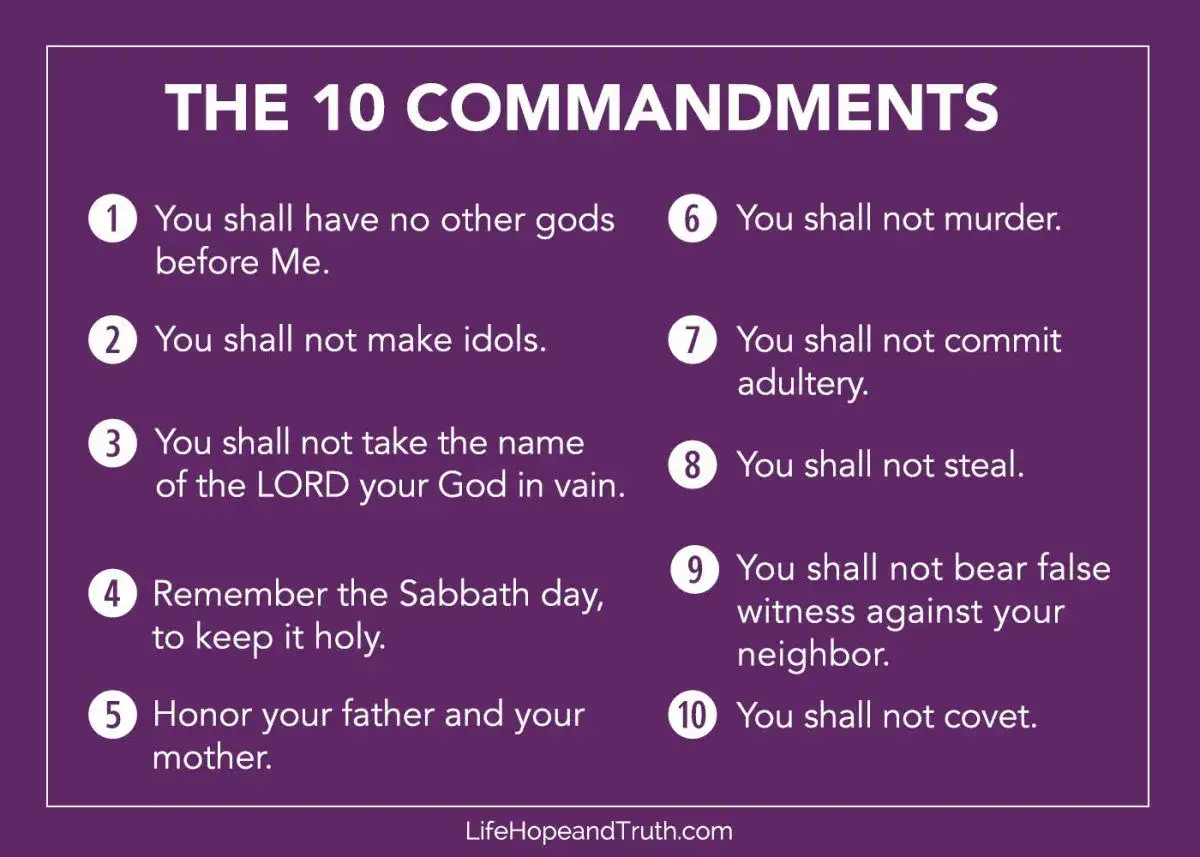
What the command means in Scripture
The clearest starting point is Exodus 20:7, where the command warns against taking God’s name “in vain.” In plain English, that means using His name in a way that is empty, misleading, or without reverence. I think the cleanest reading is not “never say God’s name,” but “never treat His name like a disposable word or a tool for your own agenda.”
Some Bible teachers also point out that the underlying idea is broader than a single spoken phrase. It can include the idea of carrying God’s name in a way that empties it of weight. That is why the command is not just about vocabulary. It reaches oaths, promises, public witness, and the way a covenant people reflect the God they claim to follow. Jesus reinforces that direction when He teaches truthfulness without theatrical vows, and James repeats the same moral pressure on Christians to let their speech be plain and trustworthy.
So the command is not tiny. It is not a language rule for religious people who are worried about sounding polite. It is a holiness rule: do not attach God’s name to anything false, careless, or dishonorable. Once that broader view is clear, the next question is where people usually go wrong in everyday life.
The most common ways people misuse God's name
Most people think first about profanity, and that is part of the picture. But in Scripture and Christian ethics, the misuse of God’s name reaches several different patterns. I find it helpful to separate them, because otherwise the command gets flattened into a single speech rule and its moral force gets lost.
| Form of misuse | What it looks like | Why it matters |
|---|---|---|
| Irreverent speech | Using God’s name as a throwaway exclamation, joke, or emotional outlet | It trains the heart to treat what is holy as ordinary |
| False oaths | Swearing by God to sound credible while planning not to keep the promise | It turns God’s name into a prop for deception |
| Spiritual manipulation | Claiming “God told me” to pressure people or win an argument | It puts human opinions into God’s mouth |
| Hypocritical identity | Calling oneself Christian while living in a way that openly contradicts Christ | It misrepresents God’s character to others |
That table is the part many readers need most. The command is broader than cursing, but it is also more concrete than a vague call to “be respectful.” It confronts the gap between what we say about God and what we actually do with His name. And that gap is exactly why hypocrisy belongs in the same conversation.
Why hypocrisy belongs in the same conversation
When someone identifies as a Christian, they are not only adopting a label. They are, in a real sense, representing Christ. That is why the issue is not limited to one phrase in a heated moment. If I claim God’s name and then live in a way that makes Him look dishonest, cruel, self-serving, or trivial, I have not honored His name. I have used it while emptying it of meaning.
This is where the command gets uncomfortable in a useful way. It reaches the workplace, the family table, social media, church life, and private habits. A Christian who speaks harshly, makes promises lightly, exaggerates to impress people, or uses religious language to hide pride is not merely being “imperfect.” Those patterns can become a form of taking God’s name in vain because they tell the world something false about the God being represented.
That does not mean believers must be flawless before they can speak for God. It does mean repentance has to stay central. A humble Christian who confesses failure is not the same as a Christian who hides failure behind religious words. Once you see that representation is the point, the next step is learning how to speak and act with more care.
How to honor God's name in everyday speech
When I talk through this with believers, I usually keep the application simple. Most people do not need a complicated system; they need a clearer habit of attention. Reverence grows when speech becomes more deliberate.
- Use God’s name deliberately, not automatically. If you are praying, worshiping, confessing, or blessing, speak with intention instead of habit.
- Let your yes be yes. Do not use sacred language to make ordinary promises sound more trustworthy than they are.
- Avoid speaking for God when Scripture does not support you. It is better to say “I believe,” “I think,” or “I’m discerning” than to attach God’s authority to your opinion.
- Correct careless speech without pretending every slip is identical. A momentary exclamation is not the same as deliberate contempt, but repeated habits still deserve attention.
- Repent quickly and move forward honestly. The goal is not spiritual performance. The goal is a cleaner conscience and a more truthful witness.
What helps most is consistency. If your speech is careful on Sunday but reckless everywhere else, the problem has only been relocated. And that brings us to a common trap: either overreacting to the command or minimizing it.
Where sincere Christians often overstate or understate the command
This is one of those topics where people often swing to one extreme or the other. Some believers make the command so narrow that it only covers one category of swear words. Others make it so broad that every startled phrase becomes a full moral crisis. Neither approach is satisfying, and neither is very helpful.
| Common mistake | Better reading | Practical takeaway |
|---|---|---|
| “It only matters if I use God’s name as a curse.” | The command is broader and includes false religious speech, broken vows, and distorted witness. | Watch both your vocabulary and your integrity. |
| “Every emotional exclamation is equally serious.” | Context matters; deliberate contempt is different from a careless habit or a moment of stress. | Correct habits without collapsing every failure into the same category. |
| “As long as I sound respectful, I’m fine.” | Respectful wording without obedience can still misuse God’s name. | Measure your life as well as your language. |
| “This command is only about words.” | Words, oaths, claims, and conduct all carry moral weight. | Ask whether your whole life reflects the name you bear. |
I think this balanced reading is the most honest one. It takes the command seriously without turning it into a panic response. It also refuses to reduce it to a verbal rule that lets the rest of life slide by untouched. The final question, then, is personal: how do you actually examine your own use of God’s name?
A simple way to examine your own use of God's name
The simplest test is not mystical and it does not require a complicated checklist. Ask whether your words, promises, and conduct make God look truthful, holy, and good. If they do, you are moving in the right direction. If they do not, the issue is not just tone; it is witness.
- Am I using God’s name to tell the truth, or to gain leverage?
- Do my public words match my private conduct?
- Am I quick to speak for God where I should be humble and careful?
- When I fail, do I confess it honestly or hide behind religious language?
- Does my life make Christ more believable to others?
That is the real weight of the command. Not empty caution, but a life that treats God as holy in speech, promise, worship, and conduct. When those pieces line up, the name of the Lord is not used in vain; it is honored in a way that people can see.